

Wearable Technology
Fitbit Air Vs. WHOOP 5.0: Which Screenless Fitness Tracker Wins?
Share
TL;DR
Google Fitbit Air and WHOOP 5.0 are redefining wearable fitness technology, promising everything from smarter sleep tracking to personalized recovery insights. But when both devices promise to understand your health around the clock, which one actually deserves a place on your wrist?
-
Google Fitbit Air and WHOOP 5.0 offer screenless fitness tracking, but Fitbit focuses on everyday wellness, while WHOOP prioritizes athletic performance and recovery.
-
Fitbit Air features a lightweight 12-gram design with up to seven days of battery life, while WHOOP 5.0 offers over 14 days of battery life and flexible wearing options.
-
WHOOP 5.0 provides detailed sleep, recovery, and training insights, while Fitbit Air simplifies health monitoring with Sleep Scores, Cardio Load, and personalized wellness recommendations.
-
Fitbit Air integrates AI-powered coaching through Google Health Premium, whereas WHOOP 5.0 emphasizes physiological trends, Strain analysis, and performance optimization.
-
Fitbit Air emerges as the more affordable choice without mandatory subscription fees, while WHOOP 5.0 caters to fitness enthusiasts willing to pay for advanced performance analytics.
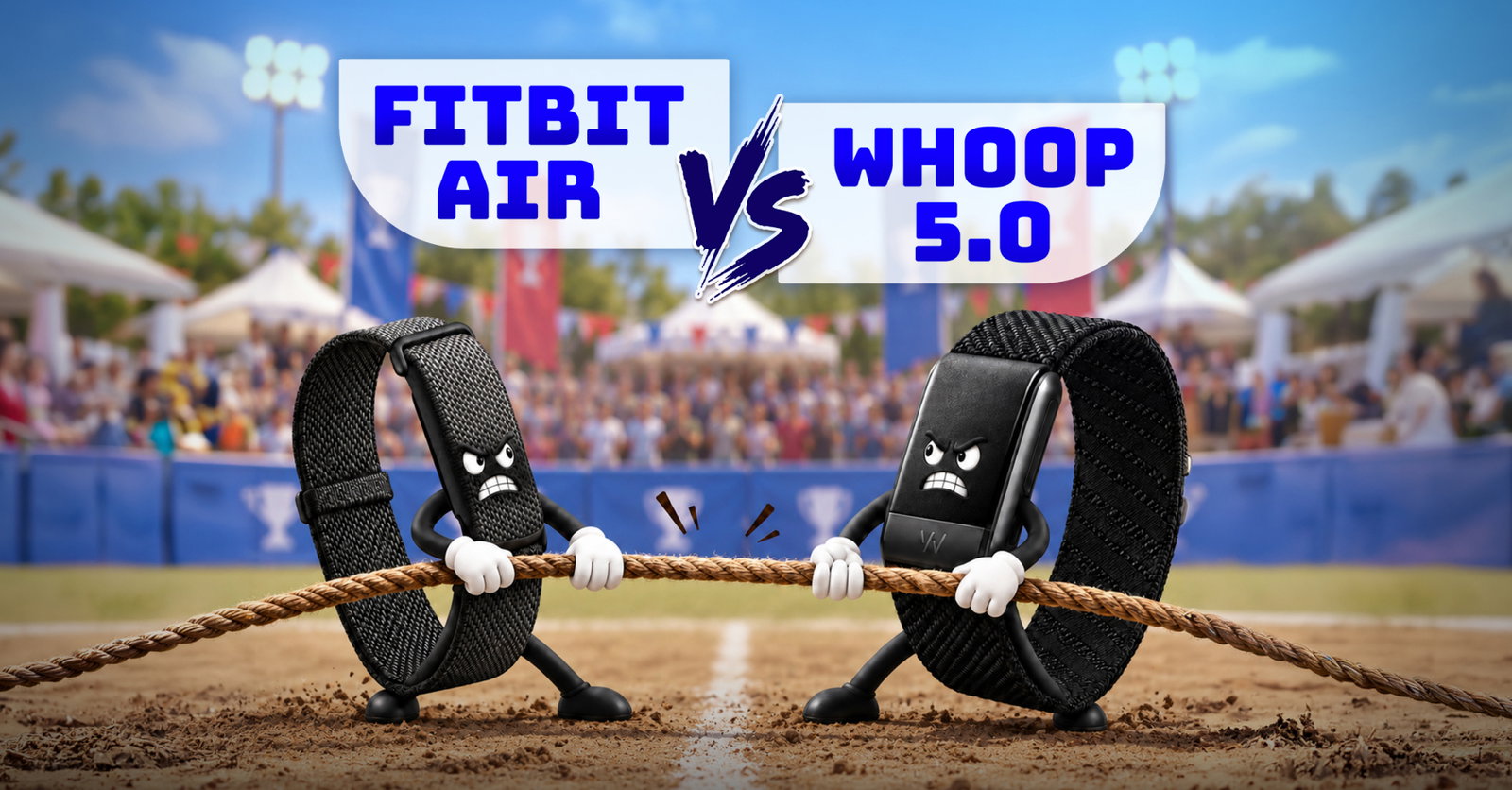
Introduction
Remember how James Bond always had the coolest gadgets, from cars that could practically think for themselves to watches packed with technology? The fascinating part wasn't just what those gadgets could do, but how effortlessly they blended into his everyday life.
Now, imagine bringing a little of that secret-agent sophistication to your fitness routine, where your wrist quietly monitors your health without flashing numbers or demanding constant attention. Traditional fitness trackers have long relied on tiny screens to display steps, calories, heart rates, and workout progress.
However, screenless fitness trackers are changing that approach by working discreetly in the background, monitoring everything from sleep quality and recovery patterns to daily activity and physical exertion.
With detailed insights available through companion smartphone apps, these wearables are making fitness tracking less about constantly checking numbers and more about understanding your body. After all, the smartest technology doesn't always need a screen to make an impression.
Let's explore the two remarkable screenless wearables in terms of individual features and hands-on comparison.
Google Fitbit Air
Enter Google Fitbit Air, a lightweight, screen-free fitness tracker designed to make everyday health monitoring more convenient. Combining continuous heart rate tracking, sleep analysis, activity monitoring, and personalized coaching, Fitbit Air brings Google's growing health ecosystem to a discreet wearable.
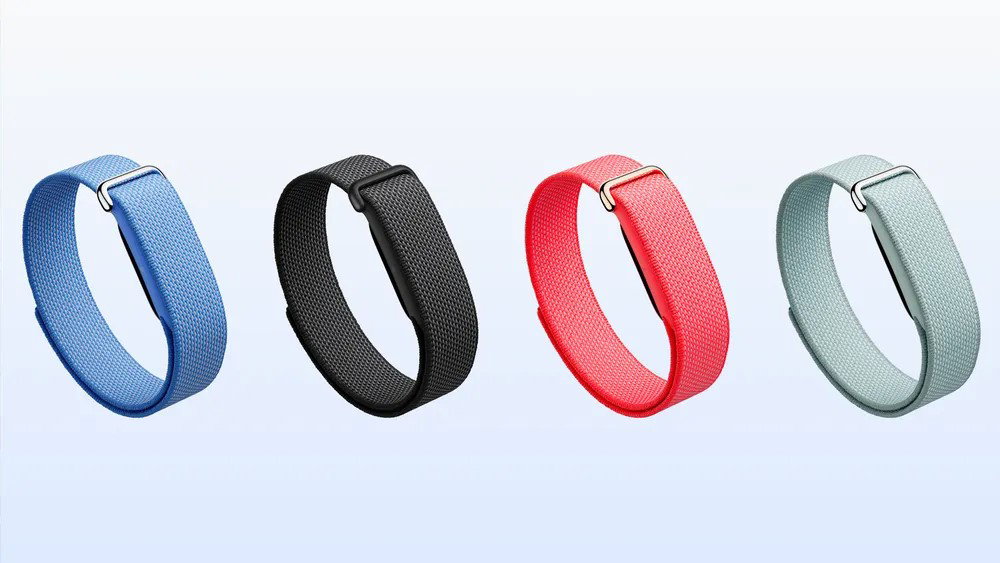
Its accessible pricing and optional premium features make it particularly attractive to users who want useful wellness insights without committing to an expensive subscription.
WHOOP 5.0
On the other side is WHOOP 5.0, a performance-focused wearable built around continuous physiological monitoring. Known for its detailed recovery assessments, training insights, and sleep recommendations, WHOOP 5.0 targets athletes and fitness enthusiasts looking to understand how their bodies respond to physical exertion.
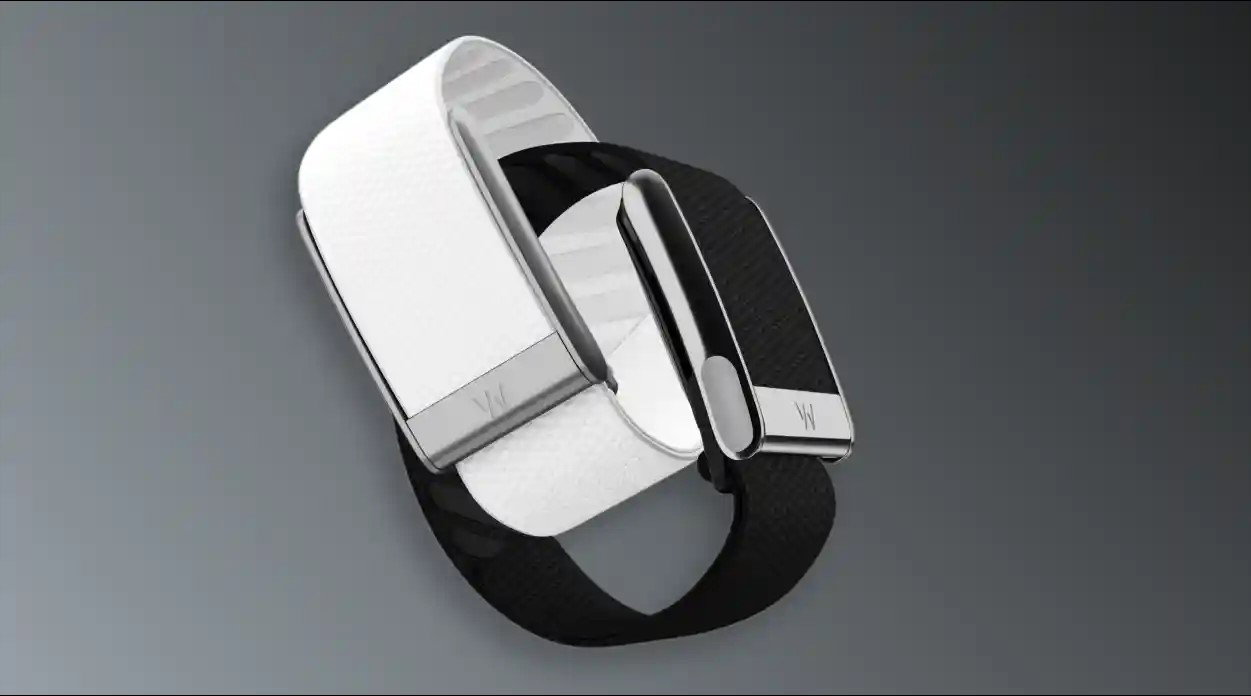
With extended battery life and advanced analytics, it promises a more specialized approach to improving performance and recovery.
So, in the Fitbit Air vs WHOOP 5.0 comparison, which device offers better tracking, battery life, health insights, and overall value? Let's break down their specs and differences to find out.
Fitbit Air Vs. WHOOP 5.0: Key Specifications Compared
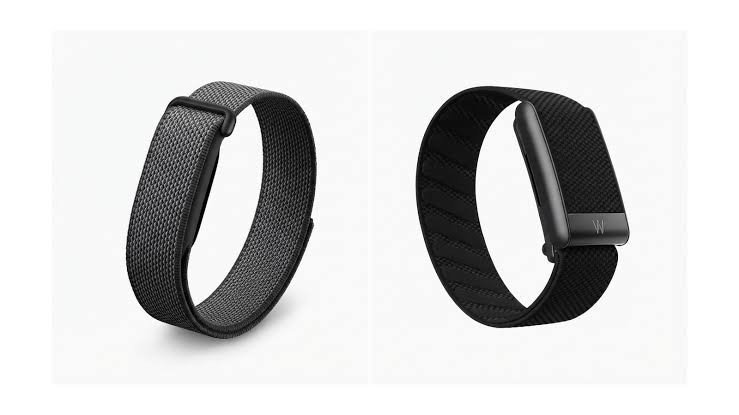
Although both devices eliminate the traditional smartwatch display, their designs and capabilities reflect different priorities.
| Feature | Google Fitbit Air | WHOOP 5.0 |
| Display | Screenless | Screenless |
| Weight with band | Approximately 12 g | Approximately 26.5 g |
| Battery life | Up to 7 days | 14+ days |
| Heart rate monitoring | Continuous | Continuous |
| Sleep tracking | Sleep stages, duration, and Sleep Score |
Sleep performance, need, and consistency |
| Recovery insights | Readiness and personalized guidance |
Recovery Score and detailed analytics |
| Training load | Fitbit Cardio Load |
WHOOP Strain |
| GPS | Connected GPS |
Connected GPS |
| Charging | Fast charging |
Compatible on-body charging |
| Subscription | Optional Premium |
Mandatory membership |
| Starting price | $99.99 for device | $199/year membership |
Both trackers offer continuous health monitoring, but Fitbit Air emphasizes accessibility and everyday wellness, whereas WHOOP 5.0 focuses on structured training and recovery.
Beyond the specifications, everyday comfort and battery life can make all the difference, especially for a tracker you rarely take off.
Fitbit Air Vs. WHOOP 5.0: Design And Battery Life
Comfort matters when a tracker is designed to remain on your wrist throughout the day and night. Both devices offer discreet designs, but their weight, charging methods, and battery endurance differ.
-
Fitbit Air: Lightweight And Convenient
Weighing approximately 12 grams with its band, Fitbit Air is designed for users who prefer barely noticeable wearables.
Its compact sensor fits into interchangeable bands suitable for workouts, daily activities, and sleeping. The device also features vibration-based alarms, allowing users to wake up without audible notifications.
When examining Fitbit Air specs and battery life, its battery lasts up to seven days under typical conditions. Fast charging provides approximately a day's worth of battery life in five minutes, making it convenient for regular use. -
WHOOP 5.0: Longer Battery Life And Flexible Wearability
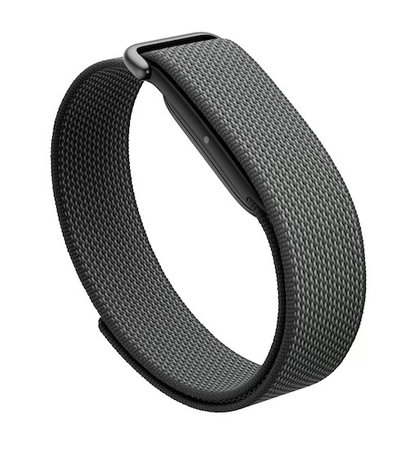
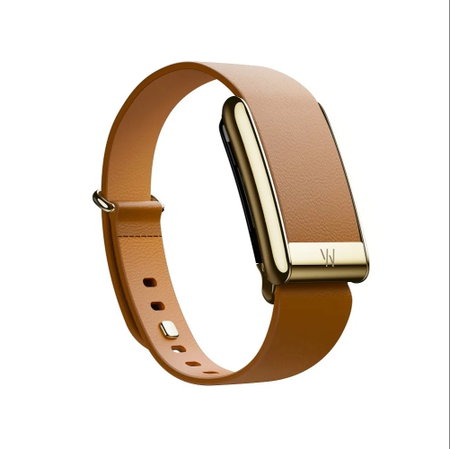
WHOOP 5.0 prioritizes uninterrupted monitoring with more than 14 days of claimed battery life.
Its compatible charging system allows users to recharge while wearing the device, reducing gaps in data collection. The tracker can also be worn on the wrist, upper arm, or within compatible bodywear, offering flexibility during different activities.
Verdict: Fitbit Air wins for lightweight comfort, while WHOOP 5.0 takes the lead in battery endurance and wearing flexibility.
A tracker’s design and battery life determine how comfortably it stays on your wrist, but what happens when you drift off to sleep?
Fitbit Air Vs. WHOOP 5.0: Sleep And Recovery Tracking
Sleep monitoring is among the biggest attractions of screenless fitness trackers. However, the real difference lies in how each device interprets overnight measurements.
-
Fitbit Air: Simplified Sleep Insights
Fitbit Air monitors sleep duration, sleep stages, resting heart rate, and heart rate variability (HRV). Its Sleep Score simplifies nightly measurements into an understandable assessment, helping users recognize changes in their sleeping patterns.
The Smart Wake feature uses a configurable alarm window to wake users during a lighter stage of sleep through gentle vibrations. Google Health Premium further enhances the experience with personalized coaching, sleep-related suggestions, and recommendations based on activity and health trends.
-
WHOOP 5.0: Detailed Recovery Analysis
WHOOP 5.0 approaches sleep as a component of physical recovery. It monitors sleep performance, consistency, physiological measurements, and estimated sleep requirements. Its Recovery Score combines indicators such as HRV, resting heart rate, and sleep-related data to estimate readiness for physical exertion.
WHOOP also considers accumulated sleep debt and previous physical strain when recommending rest. For athletes following demanding training schedules, these insights can help inform decisions about exercise intensity and recovery routines.
Verdict: Fitbit Air offers easier-to-understand sleep monitoring, while WHOOP 5.0 delivers more advanced, performance-oriented recovery analysis.
For those wondering, how does Fitbit Air compare to WHOOP 5.0 for sleep and recovery tracking, WHOOP offers greater depth, although neither device can independently guarantee more accurate sleep-stage measurements without controlled testing.
While sleep and recovery reveal how effectively the body restores itself, the real measure of physical readiness lies in how it responds to exertion. This brings training intensity and workout tracking into sharper focus.

WHOOP Strain Vs. Fitbit Cardio Load: Which Tracks Workout Better?
Beyond sleep monitoring, both trackers help users understand how physical activity affects their bodies.
However, WHOOP Strain vs Fitbit Cardio Load reveals two distinct approaches to measuring exercise intensity.
-
Fitbit Cardio Load: Monitoring Cardiovascular Effort
Fitbit Cardio Load estimates cardiovascular workload using heart rate intensity and accumulated activity.
It helps users understand whether they are exercising within appropriate targets and how their cardiovascular demands change over time.The Google Health app complements these measurements with workout summaries, Active Zone Minutes, and heart rate zones.
This approach suits users who want to stay active, improve endurance, and avoid sudden increases in training intensity. -
WHOOP Strain: Understanding Physical Exertion
WHOOP Strain measures accumulated physiological exertion on a proprietary scale ranging from 0 to 21.
It evaluates cardiovascular demands throughout the day, while supported strength-training features incorporate additional muscular workload information.By connecting Strain with Recovery Scores, WHOOP helps users determine whether to increase training intensity or prioritize recovery. This makes it particularly appealing to runners, cyclists, strength-training enthusiasts, and competitive athletes.
Verdict: Fitbit Cardio Load is useful for everyday cardiovascular fitness, while WHOOP Strain provides more detailed guidance for structured training. Their scores use different calculations and are not directly interchangeable.
Every workout session generates valuable fitness data, and AI-powered features help transform those numbers into practical recommendations for better health.

Google Fitbit Air Vs. WHOOP 5.0: Health Features And AI Coaching
Fitness trackers are increasingly expected to do more than collect measurements. Their companion apps must translate that information into meaningful health and fitness guidance.
-
Fitbit Air: Personalized Wellness Assistance
Fitbit Air connects with the Google Health app to deliver insights into sleep, physical activity, heart rate, and overall wellness. Its health-monitoring capabilities include measurements such as resting heart rate, HRV, and estimated blood oxygen saturation.
Topics For More Insights:
Supported features also include irregular heart rhythm notifications that may identify signs associated with atrial fibrillation, subject to regional availability. Google Health Premium introduces AI-powered coaching that can interpret personal activity trends, recommend workout adjustments, and provide personalized wellness suggestions.
This makes Fitbit Air suitable for users who prefer practical recommendations without extensive manual analysis.
-
WHOOP 5.0: Advanced Performance Intelligence
WHOOP's companion app emphasizes the relationship between training, sleep, recovery, and physiological trends. Its coaching features help users explore how lifestyle habits may influence fitness performance.
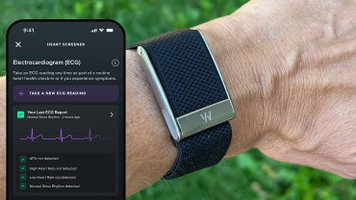
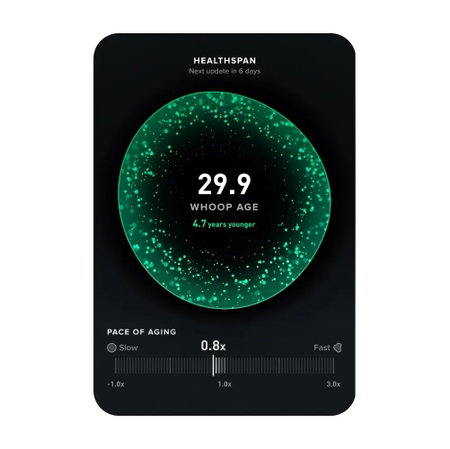
Eligible higher-tier memberships also provide Healthspan capabilities, including WHOOP Age and Pace of Aging estimates.However, advanced medical-oriented features such as ECG functionality belong to the separate WHOOP MG device and should not be confused with standard WHOOP 5.0 capabilities.
Verdict: Fitbit Air is more approachable for everyday health guidance, while WHOOP 5.0 offers more specialized performance analytics and long-term fitness insights.
While both trackers offer compelling health insights and personalized guidance, their overall appeal also depends on how much users need to spend to access these features.
Fitbit Air Vs. WHOOP 5.0 Price: Which Offers Better Value?
Pricing is a major consideration when comparing the best screen-free fitness trackers of 2026, especially because the devices follow different ownership models.
-
Google Fitbit Air Price
The Google Fitbit Air price starts at $99.99 in the United States. Its biggest advantage is that users can access core tracking features without a mandatory subscription.
Google Health Premium is optional, providing additional personalized coaching and advanced wellness features. Eligible customers also receive a three-month trial. In the United States, Premium costs approximately $9.99 monthly or $99.99 annually. -
WHOOP 5.0 Price
WHOOP uses a membership-based model, with the wearable included as part of the subscription. Its annual US membership options include WHOOP One at approximately $199, WHOOP Peak at $239, and WHOOP Life at $359.
Available features vary by membership tier, and continued access requires an active subscription.
Verdict: Fitbit Air offers better affordability and long-term value. WHOOP 5.0 commands a premium for its specialized performance capabilities.
Fitbit Air Vs. WHOOP 5.0: Which Screenless Fitness Tracker Should You Buy?
After comparing their specifications, features, pricing, and software experiences, the WHOOP 5.0 vs Fitbit Air review comes down to individual fitness priorities.
Choose Fitbit Air If You Want:
-
Lightweight, cautious fitness tracking
-
Everyday health and sleep monitoring
-
Practical workout insights and optional AI coaching
-
Core fitness features without mandatory subscription fees
-
A more affordable entry into screenless wearables
Choose WHOOP 5.0 If You Want:
-
Advanced training and recovery analytics
-
Detailed physiological insights and personalized Strain guidance
-
More than two weeks of battery life
-
Flexible wearing options for different sports
-
A performance-focused experience supported by ongoing membership
Neither tracker is inherently better for every user. The most suitable choice depends on whether you prioritize general wellness or detailed athletic performance.
Conclusion: Fitbit Air Vs. WHOOP 5.0, Who Wins?
The Fitbit Air vs WHOOP 5.0 comparison highlights how two screenless wearables can serve very different fitness needs. Fitbit Air emerges as the better overall choice for everyday users, thanks to its lightweight design, essential health monitoring, accessible coaching, and lower long-term cost.
WHOOP 5.0 stands out for dedicated fitness enthusiasts seeking deeper training insights, advanced recovery analysis, and longer battery endurance.
Ultimately, Fitbit Air wins on accessibility and affordability, while WHOOP 5.0 wins on performance-focused features. Both prove that effective fitness tracking doesn't require a screen, only meaningful insights that help users understand their bodies and make better decisions.
Frequently Asked Questions
Can Fitbit Air And WHOOP 5.0 Detect Early Signs Of Overtraining?
Both trackers can reveal physiological changes associated with excessive training, including shifts in resting heart rate, heart rate variability (HRV), and recovery trends. However, neither can clinically diagnose overtraining syndrome. Their insights are best interpreted alongside fatigue, performance changes, and other physical symptoms.
How Does Sensor Placement Affect Fitbit Air And WHOOP 5.0 Tracking Accuracy?
Sensor placement can influence the accuracy of optical heart rate measurements. WHOOP 5.0 supports alternative wearing positions, including the upper arm, potentially reducing wrist-related motion interference during certain exercises. Fitbit Air primarily uses wrist-based monitoring. Proper fit and consistent placement matter for both devices.
Can Fitbit Air And WHOOP 5.0 Predict Illness Before Symptoms Appear?
Both wearables monitor physiological indicators that may change during illness, such as resting heart rate, HRV, and sleep patterns. Unusual deviations might signal physiological stress before noticeable symptoms develop. However, these changes are nonspecific, and neither tracker can reliably predict, identify, or diagnose an illness.
Mon, Oct 19, 2026

Enjoyed what you read? Great news – there’s a lot more to explore!
Dive into our content repository of the latest tech news, a diverse range of articles spanning introductory guides, product reviews, trends and more, along with engaging interviews, up-to-date AI blogs and hilarious tech memes!
Also explore our collection of branded insights via informative white papers, enlightening case studies, in-depth reports, educational videos and exciting events and webinars from leading global brands.
Head to the TechDogs homepage to Know Your World of technology today!
Disclaimer - Reference to any specific product, software or entity does not constitute an endorsement or recommendation by TechDogs nor should any data or content published be relied upon. The views expressed by TechDogs' members and guests are their own and their appearance on our site does not imply an endorsement of them or any entity they represent. Views and opinions expressed by TechDogs' Authors are those of the Authors and do not necessarily reflect the view of TechDogs or any of its officials. While we aim to provide valuable and helpful information, some content on TechDogs' site may not have been thoroughly reviewed for every detail or aspect. We encourage users to verify any information independently where necessary.
Loading comments...