

Cyber Security
Cloud Computing Security Best Practices
Share
TL;DR
-
Thales says 54% of enterprise cloud data is now sensitive, yet only 8% of organizations encrypt at least 80% of it.
-
Zero Trust remains essential for controlling access across hybrid and multi-cloud environments.
-
Stolen credentials and secrets are becoming a bigger cloud threat, making stronger IAM and phishing-resistant authentication critical.
-
Verizon says vulnerability exploitation now starts 31% of breaches, making continuous patching and exposure management essential.
-
AI can strengthen detection and response, but organizations must also secure AI workloads, APIs, models, and the sensitive data feeding them.
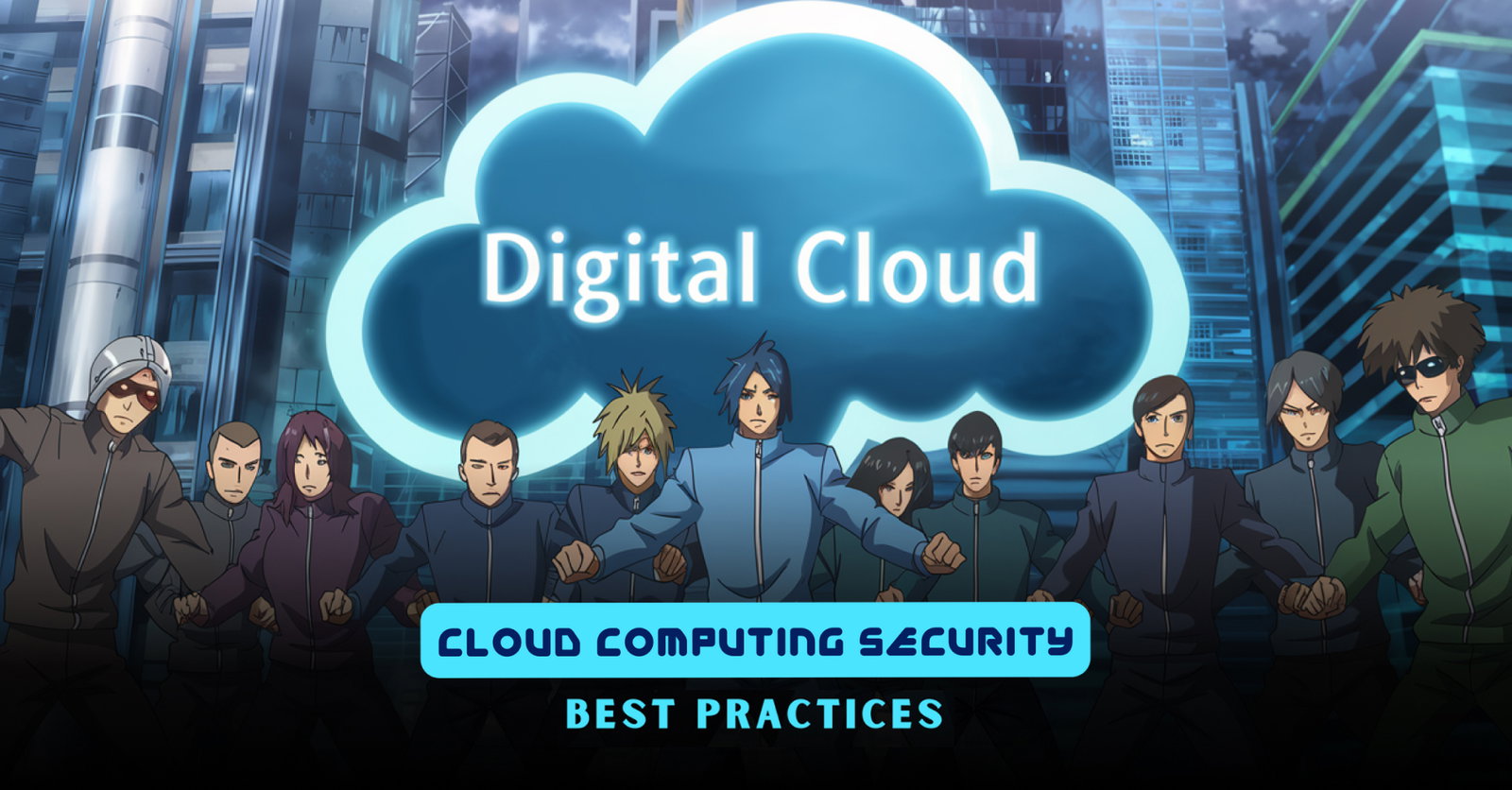
Introduction
You walk into Starbucks, order a caramel macchiato, and enjoy it without asking who serviced the espresso machine or where the milk was stored.
Cloud Computing works similarly. Businesses consume computing power, applications, and storage without maintaining every server underneath them.
Convenience, however, does not transfer all responsibility.
Think of leaving your laptop unattended at the Starbucks table while ordering another drink. Starbucks may secure the building, but protecting your laptop is still your job. Cloud providers work on a similar shared-responsibility principle. AWS, for example, distinguishes between its responsibility for security "of" the cloud and customers' responsibility for security "in" the cloud. (aws.amazon.com)
That distinction matters when 54% of enterprise cloud data is classified as sensitive. So, what should businesses prioritize in 2026?
Practice 1: Implement A Zero Trust Security Model
Imagine Starbucks checking whether every person entering the staff-only kitchen actually belongs there, even if they visited yesterday.
That is closer to Zero Trust than simply placing a guard at the front door.
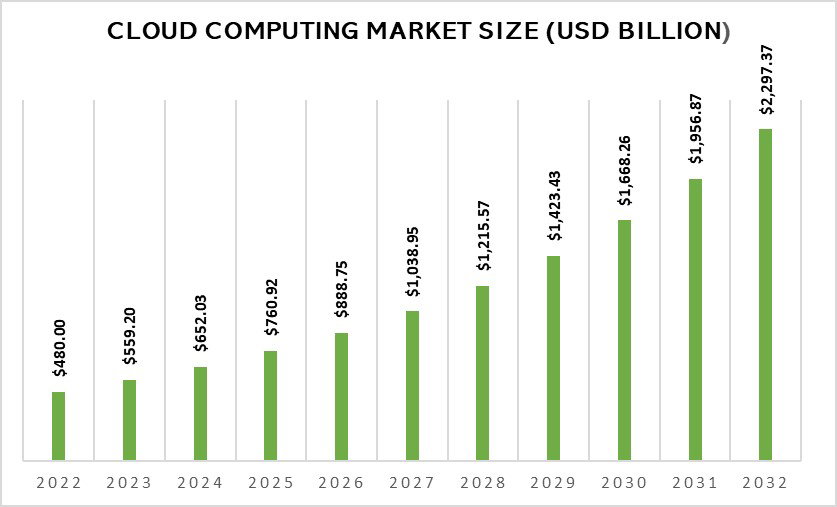
NIST describes Zero Trust Architecture (ZTA) as continuously evaluating requests before granting access to enterprise resources, including resources distributed across on-premises and multiple cloud environments.
For Cloud Computing Security, that means:
-
Apply least-privilege access.
-
Use conditional access based on identity, device, location, and risk.
-
Segment critical workloads to limit lateral movement.
-
Continuously verify users and devices.
-
Monitor privileged and service accounts closely.
If your organization uses Microsoft services, the old Azure Active Directory terminology from the original article should also be updated to Microsoft Entra ID.
Zero Trust is not one product. It is a security architecture built around verifying each access decision.
Practice 2: Use AI-Driven Detection And Secure AI Workloads
The original recommendation to use AI for threat detection remains valid, but 2026 requires looking at both sides of AI.
Security platforms can analyze large volumes of logs, detect unusual behavior, correlate alerts, and accelerate investigation. Yet attackers are adopting the same technology. Verizon's 2026 Data Breach Investigations Report found 15 different attack techniques are now being bolstered by generative AI. (verizon.com)
AI is also increasing what cloud teams must protect.
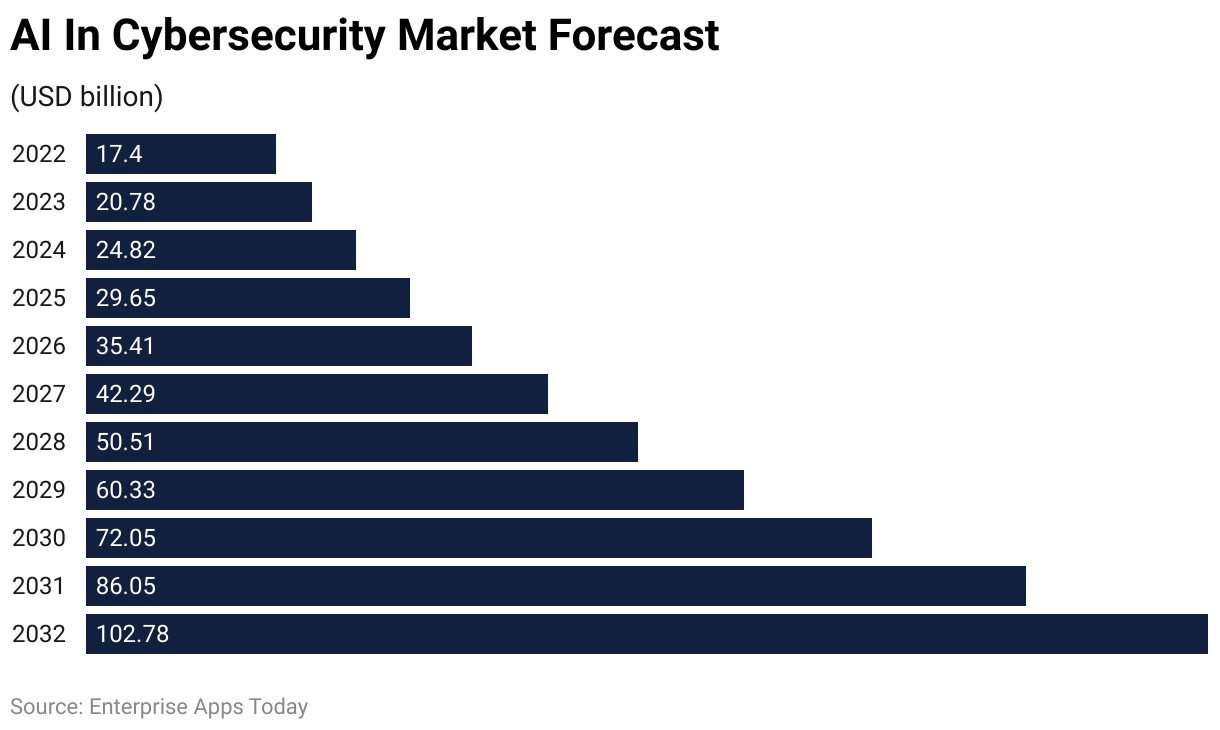
The 2025 Thales Cloud Security Study found that 52% of respondents said AI security spending was displacing other security budgets, reflecting how quickly AI workloads have become part of cloud environments.
Businesses should therefore monitor AI services, model access, APIs, training data, and unauthorized AI usage alongside traditional workloads.
Use AI to accelerate defense, but do not assume an AI-enabled environment automatically becomes safer.
Practice 3: Strengthen Identity And Access Management
In a cloud environment, identity often becomes the new perimeter.
That makes Identity And Access Management (IAM) much more than an administrative login system.
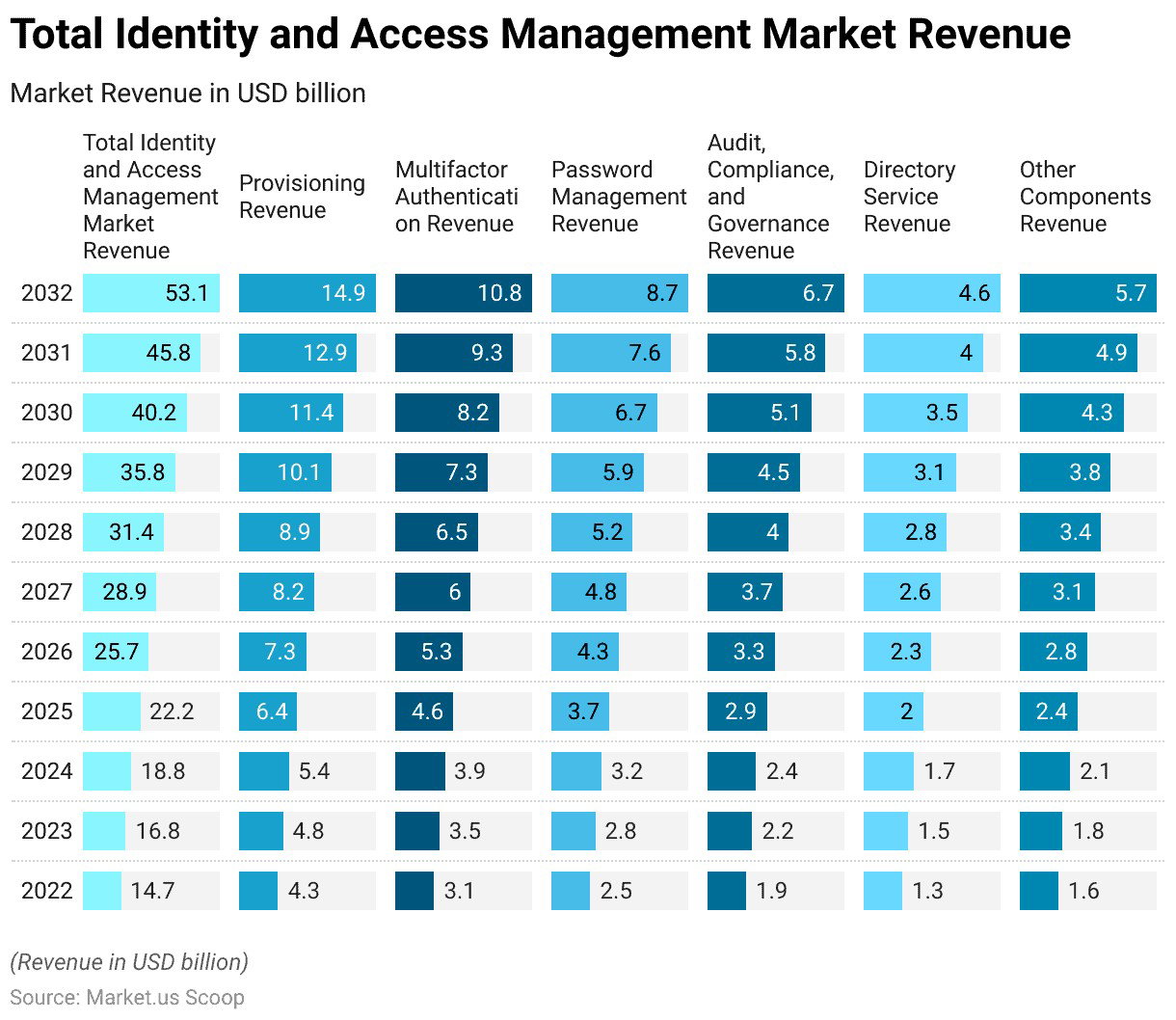
Thales found that 68% of respondents identified credentials and stolen secrets among the fastest-growing cloud-infrastructure attack tactics. Yet only 66% of surveyed organizations had implemented Multi-Factor Authentication (MFA) for cloud access.
A stronger IAM strategy should include:
-
MFA and phishing-resistant authentication where supported.
-
Least-privilege permissions.
-
Privileged Access Management (PAM).
-
Regular removal of dormant accounts and excessive permissions.
-
Protection and rotation of API keys, tokens, and machine credentials.
-
Continuous review of service accounts and non-human identities.
Single Sign-On (SSO) still reduces password fatigue, but one compromised identity can unlock multiple systems. Protect that identity accordingly.
The coffee-shop bouncer analogy still works. In 2026, though, the bouncer also needs to know whether the badge itself was stolen.
Practice 4: Encrypt Cloud Data And Protect The Keys
Encryption remains one of the strongest parts of the original article and requires little conceptual change.
What has changed is the urgency.
Thales reports that only 8% of organizations encrypt 80% or more of their cloud data, even though 54% of cloud-hosted data is considered sensitive. Nearly half of sensitive cloud data therefore remains insufficiently protected.
Businesses should:
-
Encrypt sensitive data at rest.
-
Use current TLS configurations for data in transit.
-
Separate encryption keys from protected data.
-
Apply centralized Key Management Services (KMS) or Hardware Security Modules (HSMs) where appropriate.
-
Restrict access to encryption keys.
-
Monitor key usage and rotate keys according to risk and policy.
Do not rotate keys blindly simply because a calendar date arrives. Rotation policies should reflect system design, compliance requirements, exposure, and compromise risk.
Encryption protects information only when the keys are protected just as carefully.
Practice 5: Continuously Secure Cloud Networks, Configurations And Vulnerabilities
A Virtual Private Cloud (VPC), Web Application Firewall (WAF), network segmentation, and intrusion detection remain useful, so there is no reason to remove them from the original article.
What needs adding in 2026 is continuous cloud posture and vulnerability management.
Verizon reports that 31% of breaches now begin with vulnerability exploitation, overtaking stolen credentials as the leading initial access vector. Worse, only 26% of critical vulnerabilities in CISA's Known Exploited Vulnerabilities catalog were fully remediated during Verizon's latest study period.
Cloud teams should therefore combine:
-
VPCs and network segmentation.
-
WAF and workload protection.
-
Continuous configuration monitoring.
-
Cloud Security Posture Management (CSPM).
-
Vulnerability scanning and prioritized patching.
-
API and exposed-service discovery.
-
Third-party risk monitoring.
Third-party exposure deserves attention because 48% of breaches analyzed by Verizon involved a third party. (verizon.com)
Eric Hanselman, Chief Analyst at S&P Global Market Intelligence 451 Research, summarized the challenge well: "Four of the top five targeted assets in reported attacks are cloud-based." (cpl.thalesgroup.com)
A cloud firewall protects a boundary. Modern Cloud Security has to continuously protect everything that changes behind it.
Wrapping Up!
Starbucks works because the complicated machinery behind your coffee stays largely invisible.
Cloud Computing offers businesses the same convenience, but invisible infrastructure should never mean invisible responsibility.
The fundamentals from the original article still hold in 2026: verify access, monitor threats, strengthen identities, encrypt sensitive data, and protect cloud networks. What has changed is their scale. AI workloads, stolen secrets, third-party dependencies, expanding SaaS estates, and faster vulnerability exploitation are making cloud environments harder to secure.
Thales found that 55% of organizations now consider cloud environments more difficult to secure than on-premises infrastructure.
So, enjoy the convenience of the cloud like your favorite coffee.
Just remember that someone still has to lock the doors.
Frequently Asked Questions
Does A Cloud Provider Protect Everything Stored In The Cloud?
No. Cloud security generally follows a shared-responsibility model. Providers secure underlying infrastructure, while customers remain responsible for areas such as identities, configurations, applications, permissions, and data depending on the service being used.
What Is Cloud Security Posture Management?
Cloud Security Posture Management (CSPM) continuously checks cloud environments for configuration weaknesses, policy violations, excessive exposure, and other security risks. It is particularly useful in complex multi-cloud environments where manual configuration reviews become difficult.
Why Are Non-Human Identities Important In Cloud Security?
Applications, APIs, automated workloads, and AI agents increasingly use tokens, secrets, and service accounts to access cloud resources. If these credentials receive excessive permissions or are exposed, attackers can use them without compromising a traditional employee account first.
Thu, Dec 26, 2024

Liked what you read? That’s only the tip of the tech iceberg!
Explore our vast collection of tech articles including introductory guides, product reviews, trends and more, stay up to date with the latest news, relish thought-provoking interviews and the hottest AI blogs, and tickle your funny bone with hilarious tech memes!
Plus, get access to branded insights from industry-leading global brands through informative white papers, engaging case studies, in-depth reports, enlightening videos and exciting events and webinars.
Dive into TechDogs' treasure trove today and Know Your World of technology like never before!
Disclaimer - Reference to any specific product, software or entity does not constitute an endorsement or recommendation by TechDogs nor should any data or content published be relied upon. The views expressed by TechDogs' members and guests are their own and their appearance on our site does not imply an endorsement of them or any entity they represent. Views and opinions expressed by TechDogs' Authors are those of the Authors and do not necessarily reflect the view of TechDogs or any of its officials. While we aim to provide valuable and helpful information, some content on TechDogs' site may not have been thoroughly reviewed for every detail or aspect. We encourage users to verify any information independently where necessary.
Loading comments...